


Kitchen and Bathroom Remodeling: Transform Your Home with JB Home Improvement Inc.

Jennifer Foster • November 28, 2024

Tired of outdated tiles, worn-out cabinets, or layouts that just don’t work? At JB Home Improvement Inc., we specialize in kitchen and bathroom remodeling in San Diego that blends functionality and style. With our complete design services, we’ll help you turn your vision into a space you’ll truly love.

Let’s dive into how a remodel can transform your home and why JB Home Improvement Inc. is the team you can trust.


Why Remodel Your Kitchen and Bathroom?


Your kitchen and bathroom are two of the most used spaces in your home. Over time, they start to show wear and tear or simply feel outdated. A remodel is a chance to improve functionality, upgrade materials, and reflect your personal style.


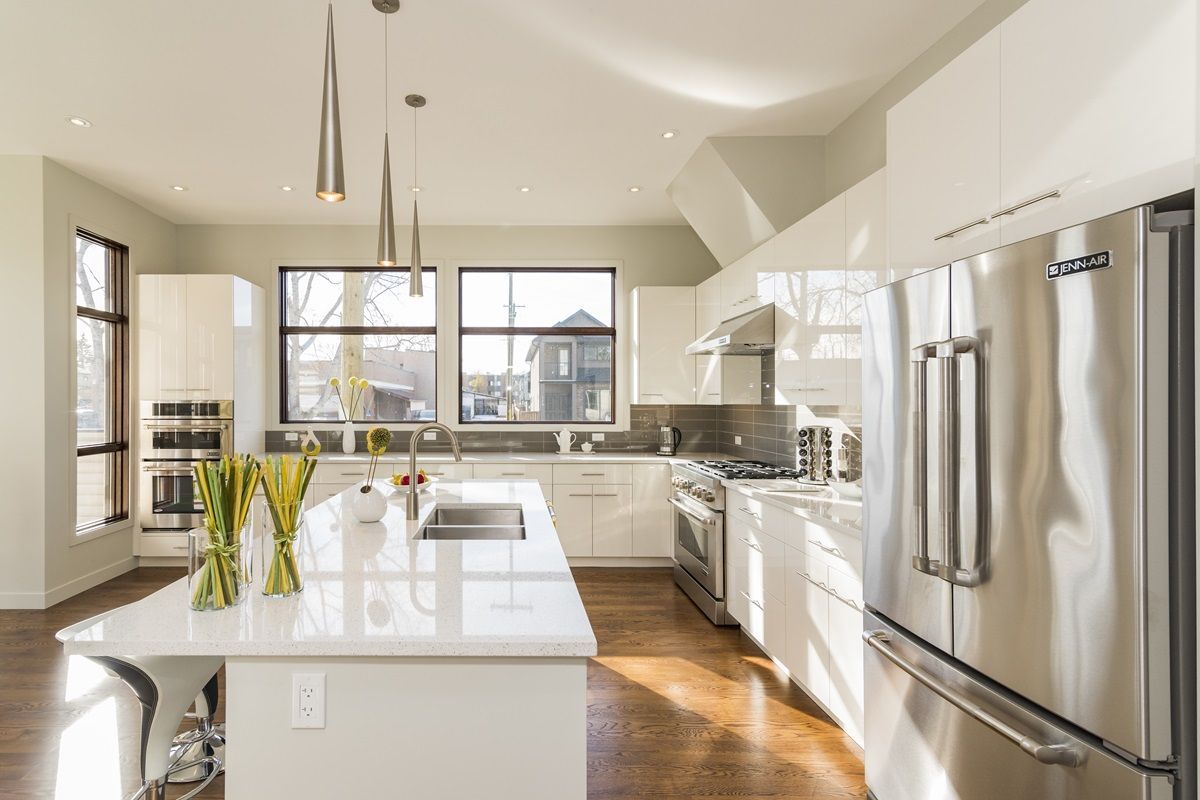
In the kitchen, adding more storage or reworking the layout can make cooking and entertaining so much easier. Meanwhile, a bathroom remodel can bring the ultimate comfort—think modern vanities, sleek showers, or even a luxurious soaking tub.


But beyond the looks and convenience, remodeling can increase the value of your home. Whether you’re planning to stay long-term or thinking about selling, a well-done remodel is always a smart move.


JB Home Improvement Inc.: Your Partner in Design


At JB Home Improvement Inc., we know that remodeling can feel overwhelming. That’s why we offer complete design services to guide you through every step of the process. From brainstorming ideas to choosing materials, we’re here to help you create spaces that fit your needs and style.


Whether you’re dreaming of a farmhouse kitchen with rustic charm or a spa-inspired bathroom with a modern edge, our team has the experience to bring it all to life. We believe no two homes are the same, and your remodel should reflect your unique taste and lifestyle.


Popular Kitchen Remodeling Ideas


Not sure where to start? Here are some ideas to inspire your kitchen makeover:

Open-Concept Layouts: Tear down walls to connect your kitchen to the dining or living areas.

Custom Cabinets: Add storage and style with cabinets designed to fit your space perfectly.

Modern Backsplashes: Use colorful tiles or sleek patterns to make a bold statement.

Upgraded Appliances: Energy-efficient options not only save money but look great too.


Even small updates, like new hardware or lighting fixtures, can breathe life into your kitchen without a major overhaul.


Bathroom Remodeling: Luxury Meets Practicality


A bathroom and kitchen remodel in San Diego doesn’t just look good—it can also make your daily routine more enjoyable in this ravishing city. Here are some popular upgrades to consider:


Walk-In Showers: Swap out an old tub for a spacious, modern shower.

Heated Flooring: Keep your toes warm in the colder months with radiant heat.

Smart Features: Motion-sensor lights, touchless faucets, and other tech add convenience.

Creative Storage: Use floating shelves or built-in niches to keep everything organized.


With our design services, we’ll help you pick features that strike the perfect balance between luxury and practicality.


Why Choose JB Home Improvement Inc.?


When it comes to kitchen and bathroom remodeling, details matter. At JB Home Improvement Inc., we pride ourselves on our attention to detail and commitment to quality. Our team works closely with you to ensure every design choice reflects your vision.


From the first consultation to the final walkthrough, we’re with you every step of the way. Our goal? To turn your dream spaces into reality without the stress.


Ready to Get Started?


If you’ve been dreaming about a kitchen that’s perfect for family dinners or a bathroom that feels like a personal retreat, now’s the time to make it happen. At JB Home Improvement Inc., we’ll take your ideas and turn them into stunning spaces you’ll love for years to come.


Contact us today to schedule your kitchen and bathroom remodeling in San Diego, and let’s get started on your remodel!

By Von a February 18, 2026
Kitchen Remodel Planning Guide for 2026 by JB Home Improvement Inc's expert renovations, remodeling, and repairs tailored to your needs. Call 760-758-2654.
By Von a February 18, 2026
For Escondido homeowners planning renovations in 2026, understanding the factors that influence home improvement costs is essential. Working with a reliable Home Improvement Contractor in Escondido, CA can clarify how project scope, material quality, labor availability, permits, and local regulations will impact a renovation budget. This article explains what to consider when budgeting for home improvements in the Escondido area. Project Scope and Complexity The size and complexity of a renovation project directly drive its cost. Scope and scale: Larger projects require more materials and labor than simple updates. A complete bathroom remodel with new fixtures and plumbing will cost far more than painting walls. Structural work: Adding square footage, removing or moving walls, or upgrading foundations introduces engineering work and higher labor costs. For example, adding a second story or creating an ADU involves permits and foundation work that double or triple the costs. Finish levels: Upgrading to high-end finishes can multiply costs compared to basic finishes. Two projects of the same size can differ widely in price depending on material quality. Design complexity: Custom designs, curved walls, vaulted ceilings, or intricate tile patterns increase labor time. Standard, straightforward layouts cost less. Scope changes: Changing plans mid-project can blow the budget. Expanding a project after work has started often incurs rework and rush fees. Phasing vs. one-shot: Breaking a project into phases can spread costs over time, but repeating mobilization may slightly increase total expense. Doing everything at once is more efficient but requires a larger upfront budget. Real-world impact: Underestimating the scope can leave projects incomplete or far over budget. A detailed plan and fixed scope help keep costs in check. Labor and Professional Expertise Labor rates and contractor experience significantly influence renovation costs in Escondido. Skilled trades: Licensed electricians, plumbers, and HVAC specialists command higher hourly rates in California due to licensing requirements and demand. California’s average construction costs are notably higher than the national average, reflecting expensive, skilled labor. Labor shortage: California is facing trade labor shortages that drive up wages and extend project timelines. Finding available crews may require booking months in advance, and peak demand can raise labor premiums. Contractor overhead: General contractors include overhead in bids. Their markup covers the coordination of multiple trades but adds to the price. DIY vs. hiring professionals: Homeowners can save on labor by DIY-ing simple tasks, but major work almost always requires licensed pros. Using unlicensed labor for these tasks risks code violations or unsafe work, which can be very costly to fix. Local vs. non-local crews: Hiring a local Escondido contractor avoids travel fees and leverages local supplier relationships. By contrast, hiring a Home Improvement Contractor in Oceanside, CA , or farther away may involve higher bids if crews charge for travel time or if they have less familiarity with local vendors. Both cities share regional cost drivers, but city-to-city differences can affect final bids. Experience and efficiency: Highly experienced crews often cost more per hour but work faster and make fewer mistakes, potentially saving money. Inexperienced or disorganized teams might take longer, resulting in higher overall labor charges. Real-world consequences: Labor often represents 30–50% of a renovation budget. Choosing the cheapest bid can backfire with poor quality or delays. Conversely, paying for skilled professionals and good management generally yields smoother projects and fewer costly fixes later. Material Selection and Availability Material costs can vary widely based on quality, availability, and market prices. Quality of materials: Premium materials cost significantly more than standard options. Choosing better materials for longevity or aesthetics raises the budget accordingly. Scope of upgrades: Selecting top-tier finishes in multiple areas can multiply the material budget. For example, using custom cabinetry in the kitchen and imported tile in bathrooms could double material expenses versus stock items. Inflation and tariffs: Prices for lumber, steel, and other commodities rose sharply after the pandemic and have remained elevated. Atlas Premier reports a material inflation trend. Tariffs on imports also contribute to higher costs for some building products. Supply chain issues: Delays or shortages may force higher last-minute purchases. Homeowners should order materials early to avoid rush fees or inflation-driven price increases. Bulk buying vs. unit pricing: Large projects can negotiate bulk prices with suppliers, but small jobs pay retail rates. Buying in quantity can lower per-unit cost. Specialty or custom items: Custom windows, specialty hardware, or unique stone may have long lead times and higher costs. Off-the-shelf items are generally cheaper and faster to obtain. Eco-friendly materials: Recycled or sustainable materials often cost more upfront. While “green” products appeal to eco-conscious homeowners, they may exceed the cost of standard materials, so weigh budget vs. sustainability goals. Real-world example: A kitchen remodel using MDF cabinets might cost $10,000, while custom solid-wood cabinets could be $25,000 or more. Similarly, upgrading from standard tiles to designer imported tiles can add thousands to the budget. Local Permits, Codes, and Fees Local permit requirements, building codes, and associated fees add to project costs in Escondido. Building permits: Virtually all major renovations and additions require city permits. Escondido’s permit fees scale with project value. For example, a $50,000 project has a base permit fee of about $792. Larger projects incur higher base fees. Plan check and inspection fees: On top of the base permit fee, Escondido adds about 75% extra for plan review. Additionally, each trade inspection adds ~10% each of the base fee. Altogether, permit and review fees can approach double the base permit cost. Energy and building codes: California’s 2025 Title 24 energy code mandates higher efficiency standards even for major renovations. This means new heat pumps for HVAC or water heating, better insulation and windows, and smart thermostats may be required. Incorporating these can raise initial costs, though they save on energy later. Wildfire safety requirements: With the 2025 update to local fire-hazard maps, projects in high/very-high wildfire zones must use fire-resistant materials and, in very high zones, maintain a 100-foot defensible perimeter. These requirements may add to material or landscaping expenses. Impact and utility fees: New construction or major additions often trigger fees for schools, public art, parks, and utility connection charges. These are typically fixed based on project size and can total thousands of dollars, separate from the actual construction costs. Time for approvals: Obtaining permits and passing inspections takes time. Delays can push out project schedules, potentially increasing construction management costs. Failing an inspection requires corrections at the contractor’s expense. Consequences of non-compliance: Skipping permits or code upgrades is risky. An unpermitted addition might be ordered removed, or an insurance claim could be denied after a loss. Always account for required fees and comply with codes to avoid much higher costs later. Economic and Market Conditions Broad economic trends and local market factors influence renovation budgets. Interest rates: Current mortgage and loan rates are relatively high. Financing a renovation becomes more expensive when loan interest is high, which may lead homeowners to reduce the scope or delay projects. Higher rates also mean carrying costs on construction loans will be steeper. Inflation and supply costs: General inflation in the economy has pushed all renovation costs up. National forecasts call for only modest increases in remodeling spending, implying that costs are generally rising faster than remodeling budgets. Contractors often include an inflation buffer in quotes. Local housing market: Escondido’s median home price has been around $1,000,000. In strong markets, homeowners may invest more in improvements, which can drive up demand and labor competition. A hot market can mean contractors are busier and bids are higher. Demand vs. capacity: If many homeowners are renovating, contractors might have backlogs. Conversely, a downturn could free up labor capacity, potentially lowering bid prices. As of 2026, Sunbelt regions see continued remodeling demand due to older housing stock and recent sales activity. Labor and material markets: Regional wage levels and supplier availability matter. Southern California’s overall high cost of living contributes to higher contractor rates. For instance, Atlas Premier notes California construction costs are rising ~4–5% per year, with even higher spikes anticipated when tariffs kick in. This means budgeting should assume continued price hikes. Consumer behavior: With recent home price appreciation, some owners prefer renovating over selling/moving. However, high borrowing costs push owners to focus on targeted upgrades rather than large luxury additions. This shift means budgets are often stretched for essential work only. Real-world effect: For example, if lumber prices jump 10% in a year, a project budgeted last year may now run tens of thousands over. Homeowners should factor in a margin for market volatility and not rely on last-year quotes. Climate and Environmental Factors Local climate and environmental regulations can add specific requirements and costs to renovations in Escondido. Wildfire zones: Escondido’s updated fire map (2025) classifies many areas as high or very high fire hazard. Projects in those zones must use fire-resistant construction materials and follow defensible space guidelines. Choosing such materials can raise costs, but they enhance safety and insurance eligibility. Energy efficiency: State mandates require improved efficiency. For major renovations, builders typically need to comply with the 2025 Title 24 energy standards, which encourage energy-efficient heat pumps, better insulation, and electrical readiness for appliances. Installing a heat pump HVAC unit and upgrading insulation adds upfront cost but reduces utility bills. Some improvements are now standard in project plans to meet code. Water conservation: California often mandates drought-resistant landscaping and low-flow fixtures. Homeowners may choose to install drip irrigation systems and efficient toilets/faucets. These choices slightly increase material costs but lower water bills, which is important in dry San Diego County. Seismic requirements: While not specific to Escondido, California’s seismic codes mean substantial remodels may trigger foundation bolting or other structural reinforcements. If walls are opened or systems replaced, bringing them up to modern seismic standards can incur extra labor and materials. Environmental features: Escondido has many sunny days, encouraging solar panel installations. Homeowners adding solar power benefit from incentives, but roof reinforcements or electrical panel upgrades may be needed to support panels and battery backups. Real-world impact: Incorporating these environmental considerations often adds 5–10% to construction costs. For instance, a mandatory upgrade to a heat pump system and new insulation might add $10,000–$20,000 to a remodel budget. However, they also increase home value and cut long-term energy costs. Project Timing and Scheduling When a renovation happens can affect labor availability, material prices, and overall cost. Seasonal demand: Spring and summer are peak remodeling seasons. Contractors are busiest and may charge higher rates or require rush scheduling. Starting projects in off-peak seasons can sometimes yield more contractor flexibility or slight discounts, but weather can slow work. Lead times for materials: Custom items often have multi-month lead times. Ordering these early avoids expediting charges. Waiting until a project starts can delay completion and increase carrying costs. Urgent timelines: Projects with strict deadlines may need overtime labor or parallel crews. Overtime pay or hiring extra subcontractors adds cost. Phased scheduling: Breaking work into phases can manage cash flow and accommodate living arrangements. However, repeated mobilization can increase labor costs by up to 10% per move. Market timing: Material costs fluctuate. If you delay a purchase too long, prices might rise. Conversely, buying now could mean locking in costs before a drop. Contractors sometimes advise ordering key materials at off-season sale rates. Coordination and downtime: Poor scheduling coordination leads to wasted labor hours. Efficient scheduling — lining up trades so one starts as another finishes — can shorten the timeline. Contractors usually plan this, but unforeseen issues can introduce downtime costs. Real-world example: A homeowner who postpones a major remodel from January to July may face higher labor bids in July, but potentially better weather. Rushing to finish before holiday travel often costs more than spreading the work over a realistic timeframe. Contingency and Unexpected Issues Unexpected problems discovered during renovations can add high unplanned costs. Hidden damage: Renovations often uncover concealed issues. For instance, removing drywall may reveal black mold or a cracked support beam that must be fixed before finishing. Addressing these findings can add thousands to the cost. Code upgrades: Older homes may have been “grandfathered” under old codes. Opening walls or changing systems can trigger requirements to bring old wiring, insulation, or seismic bracing up to current code. This means even cosmetic projects can snowball into larger fixes. Budget contingency: Experts recommend reserving 10–20% of the total project budget as a contingency. This fund covers unforeseen repairs or changes without derailing the project. Without this cushion, homeowners often have to defer desired finishes or halt work for lack of funds. Design changes: Wanting to switch tile color after demolition has started leads to restocking fees and reordering delays. Homeowners changing their minds about finishes mid-project face added material costs and delay charges from the contractor. Permit and plan changes: If inspectors find violations or if homeowners decide to expand the project scope after permits are pulled, revised plans and permits incur additional fees. This also delays the timeline, potentially adding indirect costs. Real-world impact: For example, hiring a contractor to install a new sink and finding a leaky pipe behind the wall can add hours of plumbing work and new parts to the invoice. Unexpected structural repairs might add a day of carpenter work. These can easily add 5–10% to the total bill. Insurance and financing: Extended timelines or budget overruns mean longer loans or insurance coverage. Unplanned costs can consume reserves or require additional financing at possibly higher rates. Conclusion Home improvement costs in Escondido are shaped by project scope, labor conditions, material decisions, regulatory requirements, and market forces. Understanding these factors allows homeowners to plan more accurately and avoid common budgeting issues. Contractors familiar with local conditions, such as JB Home Improvement Inc ., account for these variables when evaluating project costs. Frequently Asked Questions What drives renovation costs up or down? Major drivers include the project’s size and complexity, choice of materials, and labor rates in the area. Local permit fees, code requirements, and unexpected repairs also affect the final price. Together, these determine whether a renovation is relatively affordable or quite expensive. How much do permits and fees add to my budget? Permit costs vary by city and project size. In Escondido, a modest $50K project might incur roughly $792 in building fees plus a ~$594 plan-review fee, with additional fees for each trade inspection. Overall, permit and compliance costs can total nearly twice the base permit fee. Is it cheaper to do projects myself or hire a contractor? Doing simple tasks yourself can save money. However, major work usually requires licensed contractors in California. Professionals are more expensive by the hour, but DIY mistakes often become costlier repairs later. Contractors also handle permits, inspections, and coordination of trades.
February 7, 2026
Learn how Vista homeowners can choose the right bathroom remodeling contractor by comparing licenses, costs, timelines, experience, and project portfolios.
February 4, 2026
From spa-inspired bathrooms to smart and eco-friendly upgrades, this 2026 guide covers costs, planning, and remodeling tips for Carlsbad homes. Read now!
By James Rosasco January 23, 2026
This guide explains how to prepare your home for a major remodeling project, including safety, scheduling, utilities, storage, and disruption planning.
By James Rosasco January 22, 2026
This guide explains the differences between home improvement contractors and handymen, including scope, licensing, liability, and project expectations.
By James Rosasco January 21, 2026
This guide explains practical kitchen remodeling upgrades that typically support ROI through durability, layout efficiency, and long-term usability.
By James Rosasco January 20, 2026
Learn the functional, safety, and moisture-related signs that indicate when bathroom remodeling may be necessary for long-term performance.
bathroom remodeling company
By James Rosasco November 10, 2025
Discover what services a professional bathroom remodeling company offers, from design and plumbing to custom upgrades and quality finishes.
kitchen and bath remodeling
By James Rosasco November 10, 2025
When you think about giving your home a fresh new vibe, few projects make as big an impact as a kitchen and bath remodeling project. Read more.